
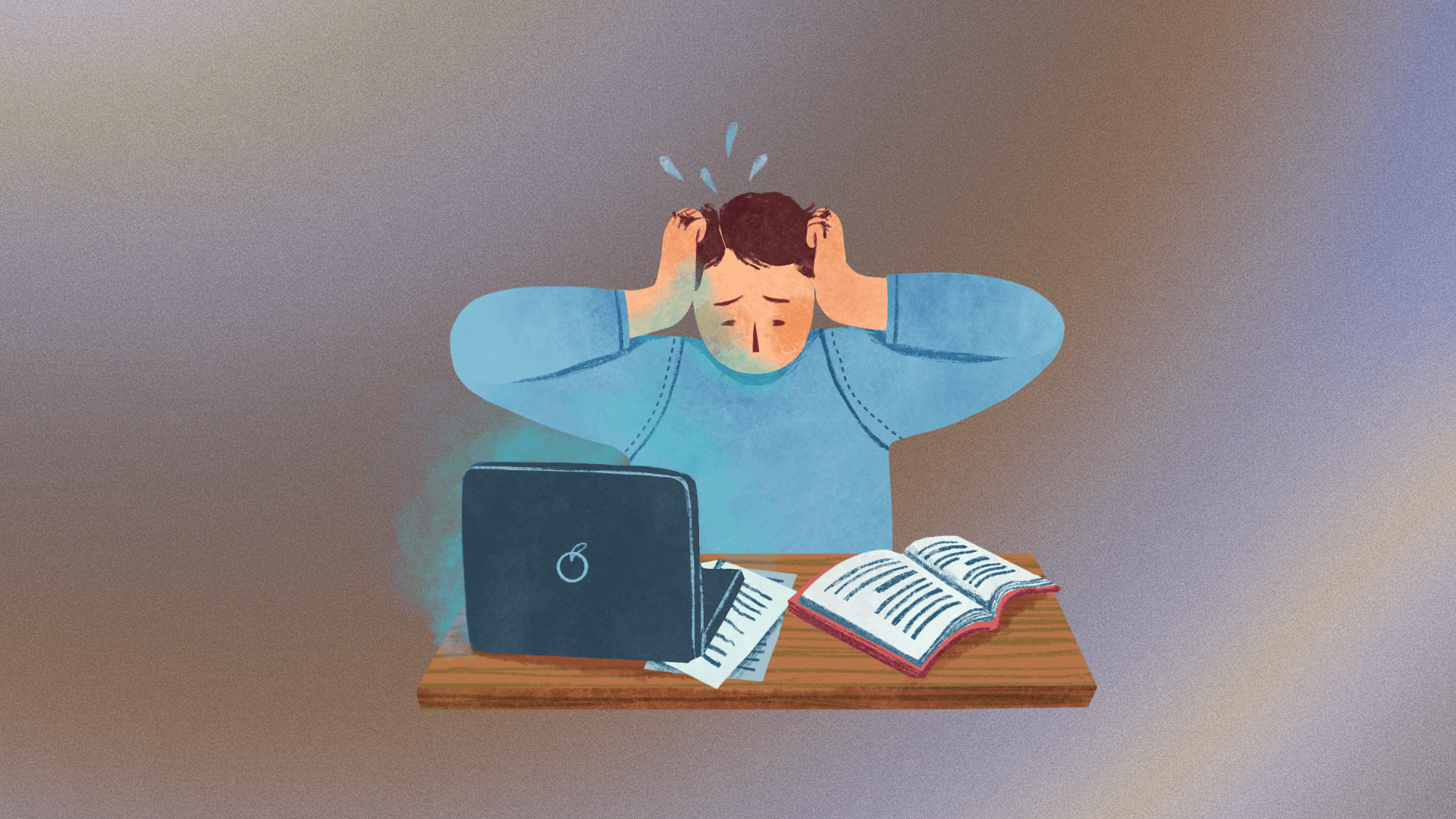
Post traumatic stress disorder
Post traumatic stress disorder (PTSD) is when a very disturbing incident affects a person so much that he or she cannot move on or recover from it.
What is Post traumatic stress disorder (PTSD)
Post traumatic stress disorder (PTSD) is when a very disturbing incident affects a person so much that he or she cannot move on or recover from it. Common traumatic events are about experiencing fear of death (like in a robbery), or serious injury (having a car accident) or sexual violence. If you would have post traumatic stress disorder you would have flashbacks (reexperiencing) and disturbing sensations related to what happened or what could’ve happened during the event, putting you in a state of terror and leading you to avoid anything that can be a reminder of that incident. To understand better PTSD and the different ways it occurs, let’s give some examples :
Understanding PTSD Through Real-Life Examples
An individual may develop post-traumatic stress disorder after experiencing a traumatic event directly. For example, imagine you are driving with your wife and child and at the same time a reckless driver causes a serious multi-car accident. Your wife survives, but your child dies. In the following weeks, you may feel intense guilt, anger, and intrusive thoughts about what you could have done differently ‘’i should have pushed the breaks earlier’’ ‘’i should have taken another road’’. You start to get flashbacks of the incident, your body stiffens, your heart is speeding, and you start breathing rapidly, as if the accident is happening all over again. Because of this, you may start avoiding to drive, which can significantly restrict your daily life.
An individual can also develop post-traumatic stress disorder by witnessing a traumatic event happening to someone else. An example of that would be a person that witnessed a car accident such as the one above, even though he or she wasn’t hurt. The person coming to try to help the family that suffered the crash may also develop nightmares about the scenes he winessed, as well as flashbacks of for instance the dead child.
An individual can develop post traumatic stress disorder by learning about a traumatic event that happened to someone close to them. For example, if you constantly hear detailed accounts of a family member who was sexually assaulted during a road trip, you may begin experiencing nightmares and high levels of anxiety, along with intrusive thoughts, flashbacks, and intense fear, even though you were not physically present during the event. This can also lead to avoidance behaviors, such as avoiding travel or leaving your hometown.
Treatment of post traumatic stress disorder
Cognitive Behavior Therapy (CBT) has been proven to be highly effective for PTSD.
The primary CBT for PTSD is Prolonged Exposure Therapy and requires the patient to expose him- or herself of memories of the event through imaginal exposure or to to feared situations that the patient has avoided, through in-vivo exposure.
Another technique is Cognitive Processing Therapy, in which individuals are instructed to write about the distressing traumatic event that affected them. They are then encouraged to examine feelings of self-blame and explore how their interpretation of the event may have negatively impacted their self worth and relationships with others.
Another form of therapy is Stress Inoculation Training, which consists of helping individuals gain a sense of mastery over their trauma by teaching a variety of coping skills, have been shown to be a successful behavioral treatments. All of these techniques have been found to be highly successful and efficacious treatments for PTSD, producing long term therapeutic benefits.